Gene Drive Technologies for the Control of Invasive Species
DOI:
https://doi.org/10.55627/pbiotech.003.02.1310Keywords:
invasive species, gene drive, Biosphere, Transposable elements, CRISPR-Cas 9, Selfish genesAbstract
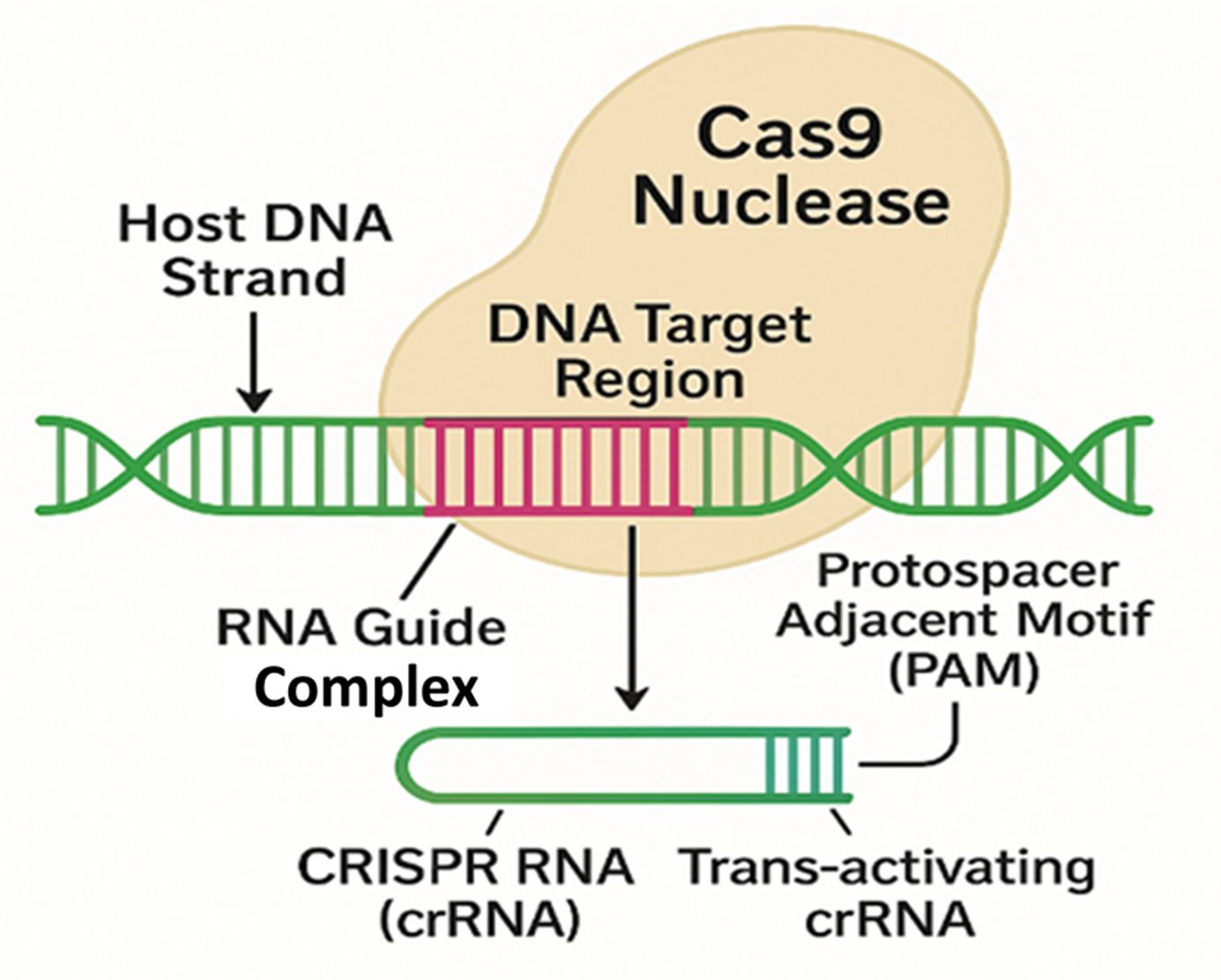
Pests and disease cause a loss in agronomic output every year, making it more difficult to eradicate hunger and poverty. The arrival of invasive animals has been associated with the disappearances of local wildlife and with major losses in agriculture. Controlling invasive species today usually involves high levels of effort and authority for many years and often the control does not last. New and creative ideas are needed now. Experts are now suggesting that gene drives based on CRISPR/Cas9 and guided by RNA could help wildlife managers decrease the numbers of pest animals without harming them. Though strong control and social agreement are crucial, we have a chance now to recognize where there are not enough scientific studies or understanding for some key invasive species. We identify the areas in pest knowledge where gene drives could have a helpful impact. Applying an ecological risk framework within a gene drive context, we outline what must be achieved before working on seven invasion species in Australia. It enables assessing the value of different research ideas related to invasive species by considering gene drives and risks. We use the available biological, genetic and ecological information for the house mouse, European red fox, Feral cat, European rabbit, black rat and European starling to find out what we don’t yet understand and identify suitable species for additional study. We explain these findings in relation to what other research topics could be studied before gene drives are formally assessed for containing these and other invasive species.
References
Downloads
Published
Issue
Section
License
Copyright (c) 2025 Amna Saghir Aasi (Translator); Laiba Ashfaq, Aleena Jaffar, Muhammad Moazzam Bin Rasheed, Waqar Ahmad Khan, Rao Sohail Ahmad Khan (Author)

This work is licensed under a Creative Commons Attribution 4.0 International License.