From Roots to Grains: Translocation of Heavy Metals and Associated Health Risks in Maize Grown in Dir-Kohistan, Pakistan
DOI:
https://doi.org/10.55627/pbiotech.003.03.1436Keywords:
Heavy metals, Maize, Food safety, Translocation, Health risk assessment, estimated daily costAbstract
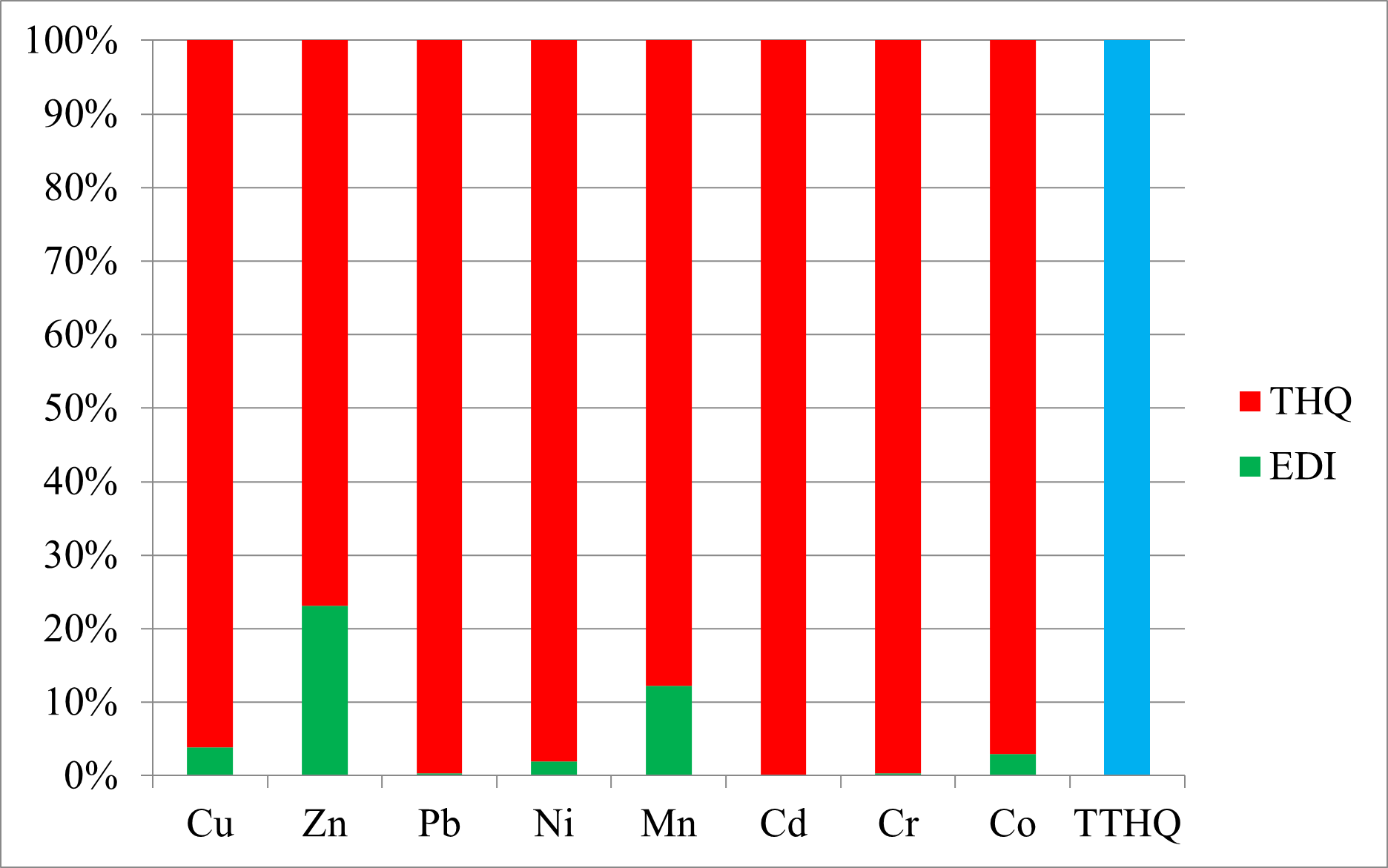
Contamination of crops with heavy metals (HMs) is the most alarming environmental issue in today’s world. The accumulation and consumption of HMs through the food chain and other ways can lead to serious health problems. In this context, the present study investigates the translocation of HMs, as well as the health risk assessment using maize plants (Zea mays L.) as a model crop. The quantity of HMs in different parts of the maize plants was measured by using atomic absorption spectrometry (AAS) and human health risk assessment was calculated for consumption of edible parts of the maize plants. The data indicated variable translocation of HMs from roots to grains in the selected model crop. The majority of HMs data determined dominancy in term of translocation from stem to leaves instead of other parts translocation factors. The distribution pattern of HMs transformation modelling from highest to lowest values in root to stem (Zn > Co > Cd > Ni > Cr > Pb > Cu > Mn), stem to leaves (Mn > Cr > Pb > Cu > Co > Zn > Cd > Ni) and stem to grains (Zn > Mn > Co > Cu > Cr > Ni > Cd > Pb) were recorded. Likewise, most of the heavy metals were found higher in roots as compared to other parts of the maize plant. In human health risk assessment, the estimated daily intake (EDI) indicated toxicity for Cd as its value was found higher than the provisional maximum tolerable daily intake (PMTDI) while rest of the elements were found in the safe limit of daily intakes. Moreover, the target hazard quotient (THQ) and total target hazard quotient (TTHQ) calculation of heavy metals in maize grains determined potential risks to the exposed inhabitants of the study area.
References
Downloads
Published
Issue
Section
License
Copyright (c) 2025 Shafiullah, Seema Anjum Khattak, Mohammad Tahir Shah, Liaqat Ali, Shah Rukh (Author)

This work is licensed under a Creative Commons Attribution 4.0 International License.