Venlafaxine and Genetic Variation; Implications for Therapeutic Efficacy and Adverse Effects
DOI:
https://doi.org/10.55627/mmc.001.01.0020Keywords:
Depression, Venlafaxine, Genetic Variation, Single Nucleotide polymorphism, PharmacogeneticsAbstract
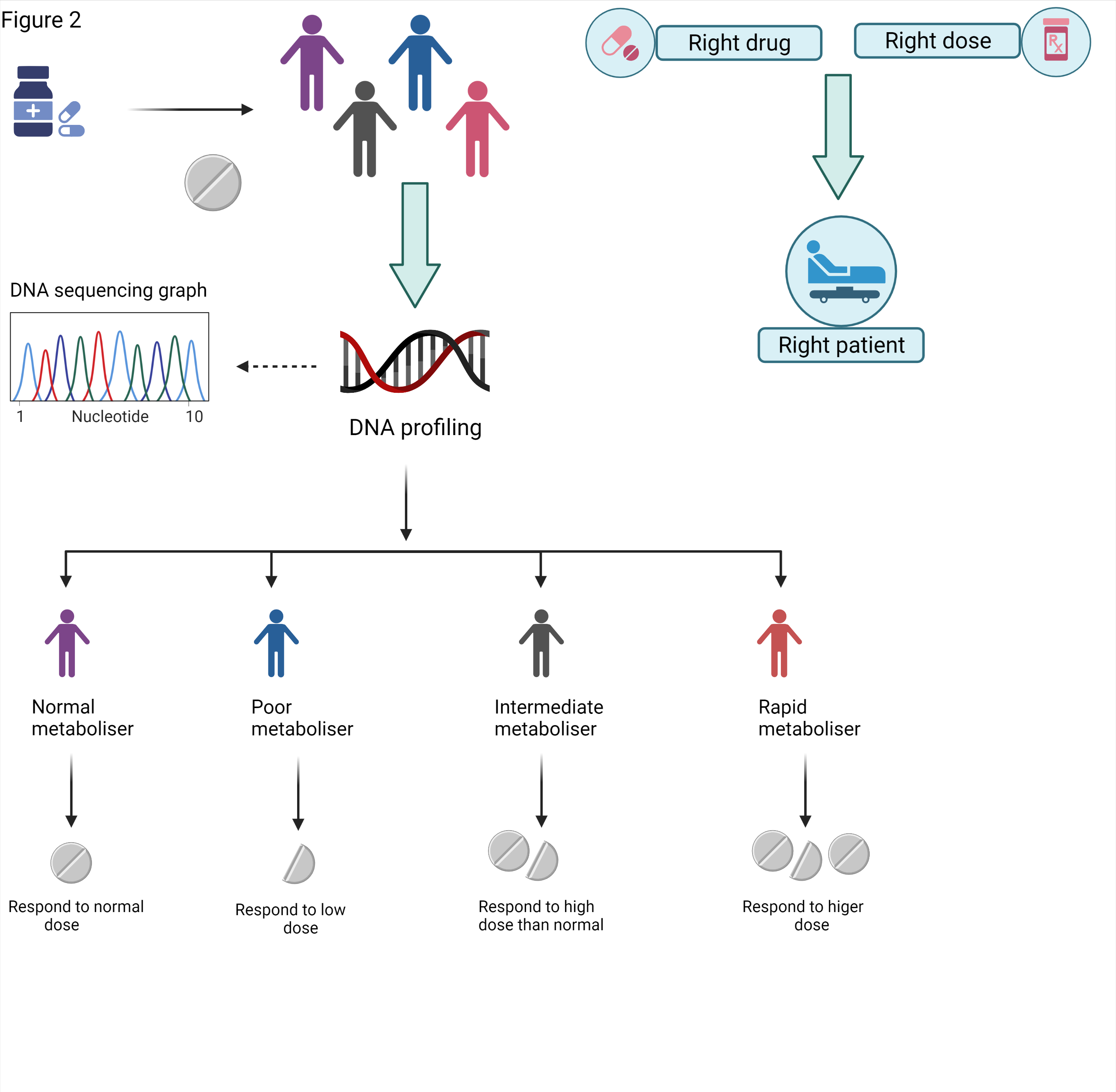
Response to antidepressant drugs vary considerably and a significant portion of this variation stems from genetics. Venlafaxine (VEN) is one of the most prescribed antidepressant drugs in the world. There is substantial interindividual variation in therapeutic response and adverse effects to VEN. Several studies suggest the importance of single nucleotide polymorphisms (SNPs) in determining the therapeutic outcome of VEN. In this paper, we reviewed several studies showing significant associations with VEN therapeutic efficacy and/or adverse effects. We propose that pharmacogenetic knowledge should be incorporated in decisions regarding VEN treatment outcome and adverse effect management. However, we also recommend additional, larger pharmacogenetic studies with VEN to reproduce already produced data and to incorporate additional variables. The issue of personalized medicine could be a key driver for providing the highest possible quality of treatment to patients. Bringing pharmacogenomics profile of patients on depression therapy with VEN into consideration will help patients gain maximum benefits from available treatments in terms of safety, therapeutic optimization and minimizing adverse effects. .
References
Downloads
Published
Issue
Section
License
Copyright (c) 2021 Aman Ullah, Hina Alam, Adnan Aslam, Isra Ishtiaq, Abdul Mateen

This work is licensed under a Creative Commons Attribution 4.0 International License.