Role of Coenzyme Q10 in Aging, Oxidative Stress, Cancer & Critically Ill Patients
DOI:
https://doi.org/10.55627/mmc.004.002.0286Keywords:
Coenzyme Q10, cancer, aging, oxidative stress, mitochondriaAbstract
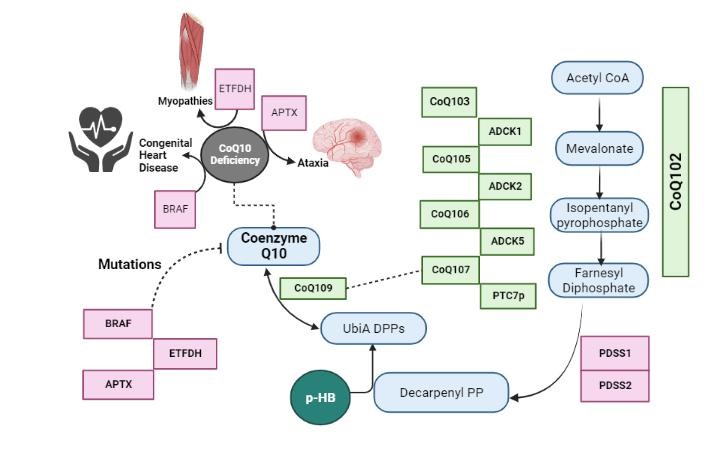
Aging is a slow process of physiological changes that lead to a decline in the biological activities of organisms. Stopping or reversing this process has been the subject of extensive research for centuries. In aging, mitochondria, which are ubiquitously present in the cells and tissues of the body, play a seminal role. There has been a close association between the optimum function of mitochondria and aging. Coenzyme Q10 (CoQ10), a well-known, integral cofactor of the electron transport chain in the mitochondria of human cells, is a powerful antioxidant and a free radical scavenger. With advancing age, a significant reduction occurs in natural levels of CoQ10. A low level of CoQ10 is found to compromise mitochondrial activity, increase oxidative stress, and lead to clinically heterogeneous diseases, including cancers. Supplementation with CoQ10 is believed to augment mitochondrial activity, confer antioxidant protection to cells and tissues, and retard the onset of various disorders. These observations lead the researchers to explore the antiaging potential of CoQ10 and its utility in dietary therapies to counteract the negative impact of aging and boost longevity. In this review, we compiled, reviewed, and discussed various age-related pathologies in the context of CoQ10 deficiency and the effect of CoQ10 supplementation on improving these conditions
References
Downloads
Published
Issue
Section
License
Copyright (c) 2024 tahreem zaheer

This work is licensed under a Creative Commons Attribution 4.0 International License.